Status Update: Travel Preparations

In this blog post, I am thrilled to update you on my exciting progress as I prepare for my Westward Migration, with plans firmly set to relocate to Australia in August.

Work and Holiday Visa Submitted

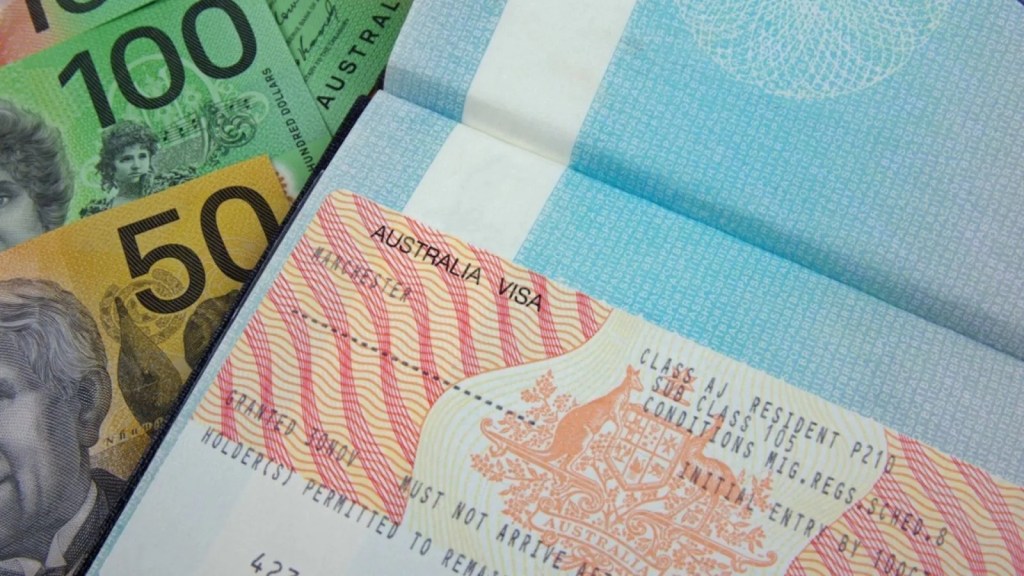
With still four months to go before my planned departure, I decided it was time to tackle the most daunting part of my preparations. I settled into a cozy corner of my favorite café with a chai tea latte, pulled out my laptop, and dived into the Work and Holiday Visa application process. After an intense hour of filling out forms, meticulously checking boxes, and reviewing my application at least twenty times, I submitted it, feeling a mix of relief and anxiety wash over me. I had read online that the processing times could be quite quick, but the speed of their response was unexpectedly rapid.

Work and Holiday Visa Approved!

Indeed, the wait was hardly a wait at all. Less than an hour later, my inbox dinged with a second email, this time bearing the IMMI Grant Notification. My initial thought was panic, assuming they needed more information or that I had missed something crucial. However, my worries were quickly alleviated as I read the opening line: “Dear Adam Sesma, We have granted you a Work and Holiday (subclass 462) visa”.

Four Month Countdown

Now, with just four months remaining until my big move, and merely three weeks until I graduate college with my degree, I am filled with excitement and optimism about the adventures that await me in Australia. As my westward migration approaches, I find myself eagerly anticipating the new experiences, and the stunning landscapes I will soon be exploring. The countdown to this monumental life change is truly exciting, and I can’t wait to share my journey with you all.


Work to Live or Live to Work: Comparing Cultures

Preparing for Australian Employment Norms

As the date comes closer to my moving overseas, I am doing my due diligence in learning the Australian work culture. What I’ve learned from my extensive research is that both the United States and Australia offer very unique working environments. Their working environments reflect their societal values and lifestyle preferences. This blog dives into the core differences between Australian and American work cultures, providing information to others who are planning a Westward Migration.

Work-Life Balance

A huge distinction between the two countries is the approach to work-life balance. Australian companies tend to prioritize a healthy balance between professional and personal life. This is clear in their standard working hours, 4-week paid vacation policies, and flexible working arrangements. Australians firmly believe in the mantra “work to live,” which is obvious in their abundant time off for vacation, health, and family.

Conversely, American work culture often embraces a more structured hierarchy. Leadership roles are well-defined, and there’s a clear emphasis on individual achievement as a pathway to success. This system creates a highly competitive environment where personal drive and overachieving are highly valued, pushing individuals to need to stand out and climb the corporate ladder. Americans live by the mantra “Live to work”.

At-Will vs. Protected Employment

In the US, at-will employment allows employers and employees to terminate employment at any time without cause, offering flexibility but less job security. This system supports a dynamic job market where individuals frequently change jobs to advance their careers or improve working conditions. Australia offers greater job security through detailed employment contracts and protections under the Fair Work Act. These regulations ensure fair treatment, outlining specific terms for termination and providing mechanisms for dispute resolution. While this offers stability for Australian workers, it requires employers to navigate more comprehensive labor laws when adjusting their workforce. 

As my move to Australia approaches, my exploration into the differences between American and Australian work cultures has been enlightening. Understanding these distinctions not only prepares me for the transition but also helps others who might be considering a similar journey. Whether you’re attracted by Australia’s commitment to work-life balance or navigating its employment protections, appreciating these nuances will ease the adaptation to a new professional environment.

Guide to Australian Visas: Finding My Fit and Options for Travelers

Advice From a Stranger

While I was in Melbourne, over the summer of 2023, I stayed in the Selina hostel in St. Kilda, Melbourne. While staying there, I was introduced to people from a wide array of backgrounds. During a random conversation in passing with a stranger from Canada, I was told about a Work and Holiday Visa. I was immediately intrigued to find out more about this visa. It inspired me to learn more about it and begin my journey to living across the Pacific. I hope that the information I provide today can help someone else in their journey, as the stranger from Canada had done for me months ago.

Work and Holiday Visa

United States citizens are eligible for the Work and Holiday visa (subclass 462). Those looking for an extended vacation are allowed to find temporary work and live in Australia for up to a year. You must meet certain requirements to apply for the Work and Holiday visa. To be eligible you must be between the age of 18-30, with a passport, and meet the minimum educational requirement (high school diploma). You would also need to submit proof of a minimum of AUD 5,000 or around 3,300 USD within your bank account. Additionally, the visa costs AUD 635 or roughly 420 USD. Most Work and Holiday visas take approximately 3 to 5 months to process but can vary depending on the time of year.

Although I plan on initially getting this one-year visa, I am hoping to extend my stay through a second Work and Holiday Visa. You are eligible for a second Work and Holiday visa if you meet the criteria for working in specific fields over a minimum of three-month period. These eligible fields are very specific and vary by region. Find additional information on the second Work and Holiday Visa qualifications HERE.

Additional Visa Options For Tourists

Electric Travel Authority (subclass 601): visit Australia up to 3 months at a time as often as you wish within a year

Tourist Stream (subclass 600): stay in Australia for up to 12 months as a tourist only

New Horizons: From the US to the AU

Embracing Change

Life takes interesting turns when you are willing to take risks. A year and a half ago I thought I had my life direction figured out. I had just moved to San Diego from Los Angeles and was attending San Diego State University. I planned on finishing college and starting my career and adult life here. 140 miles away from home was the farthest my mom thought I was moving away from her. Little did she know that I’d be telling her I’ve decided to move 7,945 miles away from home (Sorry Mom). All it took was meeting the right person and now I will be moving to Melbourne, Australia this coming August. 

Discovering Melbourne

This story began when I met my girlfriend who was a foreign exchange student at SDSU from Melbourne. I was lucky enough to get a taste of life in Melbourne by spending a month over the summer visiting. That extended vacation opened my eyes to what life could be like living there. Although very similar to a U.S. city both culturally and socially, Melbourne made me realize I was missing out on things I never knew I needed! I’ve never been in a city so walkable before, where every day encourages exploration and the discovery of something new. A city filled with artistic style from the architecture down to the food. It was a sad and long flight back home, but it sparked a fire in me to return after graduation—this time, for longer.

Blueprint for the future

After a bit of research, I was astonished to learn about a “Work-Holiday Visa”. The Work Holiday Visa allows anyone between 18-30 years old to live anywhere within Australia for a year and allows you to work to fund your trip. This visa is a dream come true as I am able to live in Melbourne and begin my professional career after graduation. I plan on researching additional visas with the end goal of becoming a permanent resident.

Key Takeaways

Although I have yet to move, I will be taking one of the biggest risks of my life. I will be moving to the other side of the planet only knowing one person. I will be moving away from the comfort of my friends and family and starting a new life there. I should be terrified but I am thrilled. I am excited for the best experience of my life and to have the opportunity that most people only dream about. I am moving to Melbourne, Australia.